If you have ever missed a shot because someone in your row leaned across you at the wrong second, you already know why photography workshop safaris exist. A photography workshop guided safari Kenya trip is not just a safari with a good camera. It is a trip built around light, angles, and patience, with a vehicle and itinerary designed for people who want to come home with real images, not just memories.
At Valley Safaris we run these trips differently from a standard game drive package. Here is what that actually looks like, camp by camp, cost by cost.
What a Photography Workshop Guided Safari Kenya Trip Includes
A standard Kenya safari optimizes for sightings. You stop, everyone gets a look, then you move on. A photography workshop safari optimizes for the shot. That means longer stops, repositioning the vehicle for light, and waiting out a moment instead of rushing to the next one.
Our photography packages include:
- A photography-configured vehicle with one traveler per row, not three
- A professional photographer-guide who understands composition, not just animal behavior
- Beanbags, charging points, and low-angle window access
- Extended golden hour drives, starting before sunrise and running past sunset
- Park fees, camp accommodation, and most meals
- Small group instruction sessions, usually two per trip, covering settings and editing basics
What is usually excluded: international flights, camera gear rental (available separately), alcoholic drinks, and gratuities. A standard Valley Safaris game drive safari runs from roughly $280 to $450 per person per day depending on camp category. Our photography vehicle supplement adds $120 to $220 per person per day on top of that, mainly to cover the smaller group size and the extra fuel from repositioning for light.
Meet the Instruction Style
Our lead photography guides are Kenyan nationals who have spent years driving the same conservancies. They know which acacia a leopard uses at dusk in Samburu, and which waterhole in Ol Pejeta pulls elephants in the dry season. Instruction is practical, not classroom-style. You learn exposure compensation while a lioness is stalking, not from a slide deck at the lodge bar.
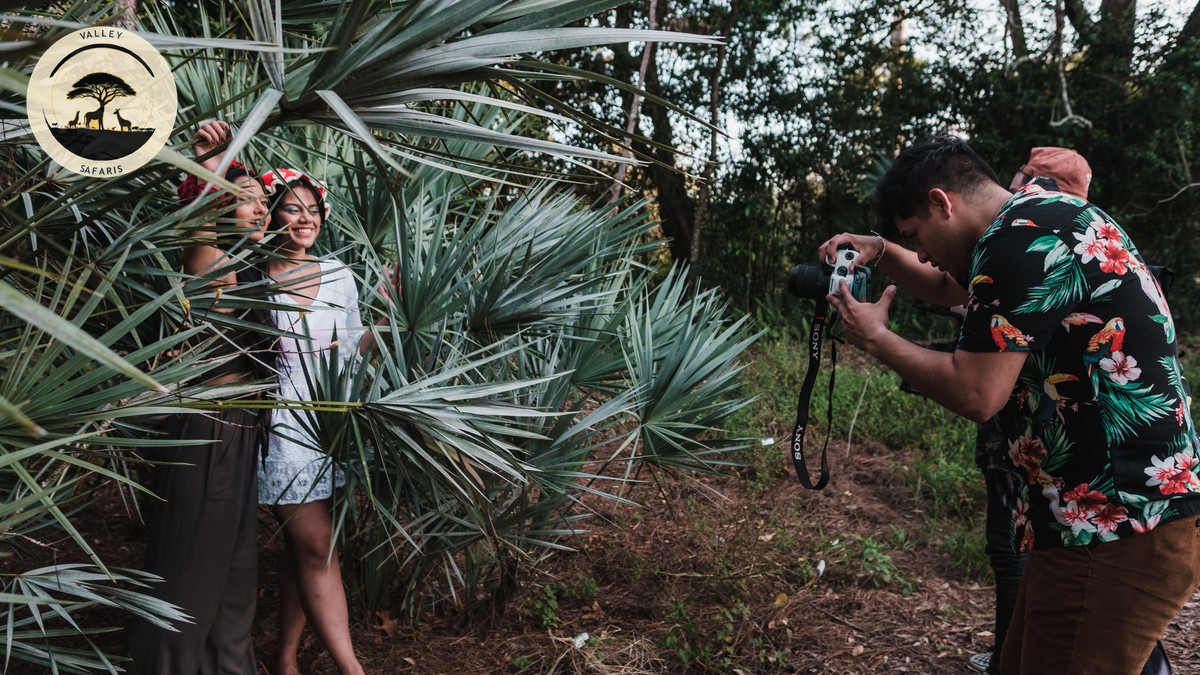
Sessions cover camera settings for moving subjects, backlighting at golden hour, and basic editing workflow for culling and adjusting RAW files in the evening. Beginners are welcome. We do not assume you already own a 600mm lens or know what back-button focus means.
Camps, Conservancies, and Parks We Use
Different parks suit different photography goals, and we choose based on your priorities and the season.
| Park or Conservancy | Distance from Nairobi | Drive Time | Approx. Park Fee (per person, per day) | Best For |
|---|---|---|---|---|
| Amboseli National Park | 240 km | 4 to 5 hours | $60 to $80 | Elephants with Kilimanjaro backdrop |
| Masai Mara National Reserve | 270 km | 5 to 6 hours (or 45 min by air) | $150 to $200 (seasonal) | Big cats, migration crossings |
| Samburu National Reserve | 325 km | 6 hours | $100 | Grevy’s zebra, reticulated giraffe, arid light |
| Ol Pejeta Conservancy | 200 km to Nanyuki, then 40 min | 3.5 to 4 hours | $90 | Rhino, big cat density, photo hides |
Fees shift by season and are set by county and conservancy authorities, so treat these as indicative ranges rather than fixed numbers. For anyone chasing Grevy’s zebra specifically, our Grevy’s zebra photography guide to Samburu covers the specific tracks and light windows our guides use.
Vehicle Setup, Group Size, and Photo Hides
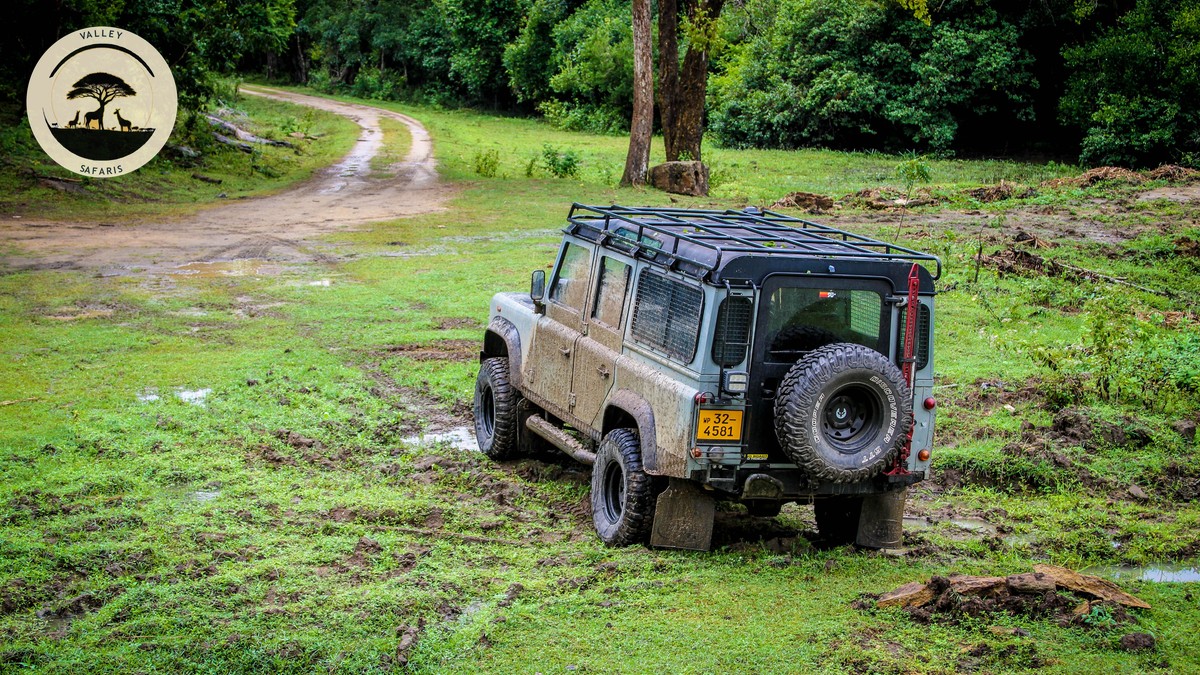
This is where photography safaris earn their price difference. On a standard shared game drive, you might have six to seven guests per vehicle. On our photography vehicles, we cap it at four, with one person per row and no more than two rows filled at once. That means a clear shooting angle on both sides, every time.
Roof hatches stay open longer, doors come down for low-angle shots where the terrain allows, and we carry bean bags rather than tripods, since tripods are impractical in a moving vehicle. In Ol Pejeta and a few private conservancies near the Mara, we also arrange time at fixed photo hides at water level, which change the whole perspective on elephants and buffalo drinking.
Vehicle crowding is a real problem in popular parks, especially around Masai Mara river crossings in migration season. Our guide on how vehicle crowding affects Masai Mara sightings explains why we sometimes choose quieter conservancies over the main reserve during peak months, even though the main reserve gets more attention online.
A Typical Day on a Photo Safari
Mornings start early, usually a 5:30 a.m. wake-up call with tea and biscuits before heading out while it is still dark. We aim to be in position before sunrise, since the first twenty minutes of light are often the best of the day. A mid-morning break lets you review shots and swap lenses. We return to camp for lunch and a rest during the harsh midday light, then head out again around 4 p.m. for the evening session, often staying out until just after sunset.
Two evenings per trip include a short instruction session, reviewing images on a laptop and talking through what worked and what did not.
Camera Gear and Rental Options
You do not need a professional kit to join. A crop-sensor DSLR or mirrorless body with a 100-400mm zoom covers most situations well. For serious bird and cat photography, a 500mm or 600mm prime helps, but it is not required for a good trip.
We offer rental gear through partner suppliers in Nairobi, including telephoto lenses from 300mm to 600mm and extra bodies, at roughly $40 to $90 per day depending on the lens. Booking rental gear two weeks ahead is strongly recommended, since inventory is limited in peak season.
Suggested settings to start with: shutter priority around 1/1000s for action, ISO on auto with a cap around 3200, and continuous autofocus tracking. Your guide will adjust this with you in the field based on light and subject.
Best Time of Year for Photography
Kenya’s photography seasons vary by park. The Masai Mara migration river crossings peak from late July through September, when the herds cross the Mara and Talek rivers. Wildebeest calving itself happens across the border, on the southern Serengeti and Ndutu plains in Tanzania, from January through March. By then the migratory herds have already left the Mara for Tanzania, so calving season is not something you can photograph inside Kenya. Our wildebeest calving season photography guide covers that Tanzania trip in detail if you want to plan it separately. For Kenya in January through March, Amboseli is a strong choice instead. It holds no major wildebeest calving grounds, but its resident elephant herds photograph well against Kilimanjaro in clear, dry-season light. The dry season from June to October gives clearer skies and concentrated wildlife around water sources across Samburu and Ol Pejeta.
Green season, from November to May, brings dramatic skies and fewer vehicles, but denser vegetation can make animals harder to spot. It is a fair trade for photographers who prioritize light and mood over guaranteed sightings.
Pricing, Deposits, and What’s Excluded
A typical seven-day photography workshop safari with Valley Safaris, covering Amboseli, Samburu, and the Masai Mara, runs from $2,800 to $4,600 per person, depending on camp category and season. This includes the photography vehicle, park fees, accommodation, and most meals.
A 30 percent deposit secures your booking, with the balance due 60 days before departure. Excluded costs include international flights, travel insurance, camera gear rental, visa fees, and tips for your guide and camp staff. Kenya’s Electronic Travel Authorization, which replaced the old e-Visa system in 2024, costs $30 per person for most nationalities. Check current requirements before you travel, since visa rules can change.
Fitness Level and What to Expect
Photography safaris are physically easier than trekking trips. Most time is spent seated in the vehicle, though you will be up early and out late. Some camps require short walks over uneven ground between your tent and the mess area, and Samburu’s terrain can be dusty and hot in dry season. Anyone reasonably mobile and comfortable with early mornings will manage fine.
Can Non-Photographers Join?
Yes. A travel companion who is not photographing is welcome on the vehicle, as long as the group stays within our cap of four guests per photography vehicle. Many couples travel this way, with one person shooting and the other simply watching.
The Valley Safaris Difference
Most photography tour operators publish glossy instructor bios and ask you to inquire for pricing. We would rather show our numbers upfront. Our photography vehicles are capped at four guests with one row each, not marketed as “small group” while still packing in six. We name the actual camps we use, quote real per-day park fees, and tell you honestly when a quieter conservancy will serve your photography better than a crowded reserve, even if that reserve has the bigger name.
Our guides grew up around these parks. They read light and animal behavior together, which is the actual skill a photography safari needs, more than a big lens or a famous instructor.
Plan Your Photography Safari
If you are ready to talk through camps, dates, and gear for your own photography workshop safari, visit our Kenya photography safari tour page or reach out through our contact page. We will help you build an itinerary around the light and the season that fits what you want to shoot.